

Do I have a personal injury case?

Do I have a personal injury case?

Man talking to insurance broker after accident

After being involved in an accident, you may well be faced with physical, emotional, and financial issues you are not prepared to pay or adjust your life for. You may also be wondering if it’s possible to receive financial compensation for your injuries by filing a personal injury claim. 

A personal injury claim may help you acquire compensation for injury to your body, mind, and spirit. A claim should be filed if your injuries are due to the negligence of another individual or group. The compensation you may receive will depend upon the circumstances of the case, and since no two cases are alike, it is always best to consult a personal injury attorney like Paul Powell to guarantee the right course of action is taken. 

Below are 3 factors to consider when determining if you have a personal injury case or not.  

If “yes” is your answer to all three questions, chances are you have a personal injury case for which you should receive compensation. Ultimately, the best way to know if you have a claim is to talk to a knowledgeable lawyer about the circumstances of your case. 

1. Did you suffer an actual physical, psychological, or emotional injury? 

The legal definition of personal injury applies to a variety of situations and circumstances, but you cannot have a claim without suffering from a personal injury. A personal injury can be physical, psychological, or emotional harm experienced as a result of the negligence, carelessness or wrongful conduct of another person or group. If you were not injured, then you cannot pursue a personal injury claim, and it is important to mention here that a personal injury is NOT the same as property damage. 

For example, if you were involved in a minor accident that caused minimal damage to your vehicle and your body and psyche were unharmed, you would NOT have a valid personal injury claim. In this situation, contacting your insurance company or local small claims court would be the most advisable course of action. 

Common physical injuries incurred from an accident range through cuts, burns, broken bones or fractures, soft tissue damage, back, spine or brain injuries and internal organ damage. Personal injuries also include psychological and emotional trauma and can be hard to document, but they are just as real as physical injuries. 

Examples of psychological and emotional harm include: 

  • pain and suffering 
  • trauma 
  • loss of companionship 
  • diminished quality of life 
  • disfigurement 
  • anxiety or depression 
  • sleep disorders 
  • post traumatic stress disorder 

2. Were your injuries caused by another party’s negligence? 

The next important question to ask yourself about a personal injury is whether someone else was at fault. Was some else’s negligence or willful misconduct caused or is responsible for the injuries you suffered? When an individual or group acts carelessly (or negligently), resulting in injuries to another person, the negligent party is held liable for the harm caused. 

Negligence is defined as a failure to take reasonable care to avoid causing injury or loss to another person. 

Sometimes, you can point to a specific action or failure to act that caused the injury, and in this instance it is typically easy to identify the responsible party. Other times you may not be able to point to a specific act that led to injury, but you can demonstrate that a party is strictly liable for your safety in certain situations. For example, injuries occur due to defective products and manufacturers are held liable for that and the safety of their products. 

3. Do you have recoverable damages? 

Lastly, you must have suffered from personal or financial harm that can be recovered through monetary damages in a personal injury claim. 

Monetary damages refer to the compensation granted to an injured party by a liable party for losses and injuries. The amount and type of damages you can pursue and receive include both economic and non-economic damages.  

Economic damages are things like reimbursement or replacement for medical bills and lost wages. These amounts are typically easy to calculate. 

Non-economic damages are more subjective factors, like pain and suffering and diminished quality of life, and are definitely more challenging tot evaluate and set a value to. 

If your attorney is able to prove that the liable party acted negligently toward you, the court may award you a sum of money based on several factors including: 

  • Medical bills incurred to treat your injuries 
  • Physical pain, emotional suffering, and mental anguish caused by the injuries sustained 
  • Diminished earnings capacity due to lost wages and time away from work during the recovery period  
  • Disability accommodations for home and living arrangements 
  • Property damage and repair costs 
  • Decrease in your quality of life 
  • Loss of companionship
When to Hire a Personal Injury Lawyer

When to Hire a Personal Injury Lawyer

Anxious male financial advisor rubbing eyes while working over laptop and analyzing reports at desk

There are many reasons to hire a good, personal injury lawyer if you or a loved one is hurt due to someone else’s negligence. The biggest reason to hire an attorney for this work is because of experience – there are a lot of moving parts and having the right lawyer on your side may determine whether you win or lose. 

In general you want to hire a personal injury attorney within a couple days of an incident. If you choose to do it yourself though, here are 4 scenarios where you’ll want to reconsider and hire a personal injury attorney.

#1. The insurance company offers you a low settlement amount (or even refuses to pay!) 

Insurance companies can be very difficult to move along, and sometimes seemingly impossible to reach an agreement with. 

You may be experiencing an endless stream of meaningless forms and interviews that continue to have you circling the “airport of a settlement,” but never landing. Some companies offer you a fraction of the amount  you would be receiving had you hired a personal injury lawyer.  

Others may out-right reject your claim. You see insurance companies keep interviewers, investigators, negotiators, accountants, actuaries, and lawyers on staff with the primary focus of paying out minimal settlements to retain their company’s funds. You have only you, until you employ a personal injury attorney, bolstered by their staff and a consortium of outside professional people and services. 

#2. One or more parties are unreasonable 

The old axiom about leading a horse to water…happens.  

Certain people in our world are just flat out unreasonable or crazy and they won’t drink from the river of fairness no matter what. Other people become obstructionists for no apparent reason. When you have tried to push through those walls or work around them, you can only do so much.  

Let a good personal injury lawyer like Paul Powell help you get the compensation you deserve. a personal injury lawyer to do it for you.

#3. You suffered severe or life-long injuries 

When you experience or sustain traumatic injuries due to an accident, figuring out if and how your injuries will impact your future ability to earn a living and what value should be place on that can be a daunting task best handled by your experienced attorney.  

  • How will your on-going quality of life, or lack thereof, be affected?  
  • Will your injuries most likely be temporary or permanent?  
  • And how do you best go about finding out and documenting this information?  

A good personal injury attorney has contacts with reliable medical professionals and can help you navigate the forms and interviews required by the insurance companies. 

#4. Multiple parties are involved or it’s very hard to determine who is liable 

You might be in a situation where lots of people besides yourself were injured. Or perhaps there are a lot of different entities involved, for example the owners of a location and the facility within it, certain equipment involved, 3rd party contracted personnel, maintenance or product failure. Naturally, the more parties involved the more complex agendas become and the more insurance companies and/or attorneys weigh in, either immediately or eventually. Complexity makes liability unclear. It can have multiple layers of people and companies all contributing liability and to varying degrees.  

Sometimes your fellow claimants can become bigger issues than your known adversaries. As congenial as things may appear to be proceeding, when discussions about the settlement and who-gets-how-much starts between multiple claimants, things can get messy. 

Be prepared and be proactive by securing a personal injury attorney as soon as possible. 

Hire a good personal injury lawyer at the start 

No matter your initial perception of the severity of your injuries or if you are partially at fault, securing a personal injury attorney will often be your best course of action. Experience attorneys can make the process go much faster and smoother – they’ve probably handled many cases like yours and will offer valuable advice at every stage. 

If you’ve been injured don’t hesitate to contact The Paul Powell Law Firm today for your free consultation and evaluation. More Lawyer. Less Fee.  

What Happens at a Free Personal Injury Consultation

What Happens at a Free Personal Injury Consultation

Young woman with neck injury filling documents

Suffering a personal injury can be a life-altering experience that can result in physical, emotional, and financial turmoil. If you or a loved one are injured due to the negligence of another party, seeking legal counsel is a crucial step towards obtaining the compensation you deserve.  

The Paul Powell Law Firm in Las Vegas offers free personal injury consultations to help you understand your rights and assess the viability of your case.  

In this blog post, we’ll discuss 9 things to expect when attending a free personal injury consultation at The Paul Powell Law Firm.

1. Statute of Limitations in Nevada 

Understanding the statute of limitations for a personal injury case is crucial.

In the state of Nevada, the statute of limitations is generally 2-years from the date of the injury. However, specific circumstances and nuances may affect this time frame, so it’s essential to consult with an attorney as soon as possible to determine if you’re within the legal timeframe for filing a personal injury  claim. 

2. Questions to ask a personal injury attorney.

To make the most of your free consultation, come prepared with a list of questions you want answered.  

  • How long have they worked as a personal injury attorney 
  • What is their success rate with similar cases 
  • What’s involved in the process of filing a lawsuit 
  • What is their estimated timeline a case like yours 
  • If successful what is the compensation range they suggest 
  • Are there fees upfront, and if so what they are estimated to be 

A great open-ended question to ask any personal injury attorney is, “What can I expect if I choose to hire your law firm?” The answers will be varied and interesting and give you insights as to what the firm most values or focuses upon. 

3. Documentation 

When meeting with an attorney for the first time, it’s important to bring all the relevant documentation you have to help them understand the details of your case. This may include: 

a. Accident Reports: Any official accident reports or documentation related to the incident. 

b. Medical Records: All medical documents, including bills, prescriptions, MRIs, X-rays, diagnosis, and reports detailing your injuries.  

c. Statements from Witnesses: Statements from individuals who witnessed the accident or can attest to its circumstances.  

d. Videos and Photographs: Any visual evidence of the accident, such as photos or videos. 

e. General Information: This might include facts about weather, road, and vehicle conditions.  

4. Telling Your Side of the Story 

During your consultation, be prepared to share your side of the story.

Provide a detailed account of how the accident started, occurred, and the injuries you and others suffered. The more information you can offer, the better your attorney will be able to assess the strength of your case. 

5. Types of Injuries Suffered 

Personal injuries encompass various types of harm, which may be financial, physical, or emotional in nature.

During your consultation, be sure that you discuss the full extent of your injuries. This includes not only physical injuries but also any emotional trauma, such as anxiety, depression, or post-traumatic stress disorder, that you may have experienced as a result of the incident. 

6. Viability of Your Personal Injury Case 

One of the primary objectives of the consultation is to determine the viability of your personal injury case. The attorney will assess the evidence and circumstances to evaluate the likelihood of a successful outcome. They will consider factors such as liability of the various parties involved, the extent of your injuries, and the strength of the available evidence.  

Be aware that a conscientious attorney may determine that your case does not play to their strengths and might refer you to another attorney. Though an unusual occurrence, a good attorney will recognize their limitations or perhaps that they are not a fit for you and not accept cases solely to make money. If an attorney refers you to someone else, be sure you are told the reason why.  

7. Legal Fees and Expenses 

Discussing legal fees and expenses is a crucial part of your consultation. Most personal injury attorneys, including the Paul Powell Law Firm, work on a contingency fee basis.  

A contingency fee means the lawyer only gets paid if you win your case, and their fees are typically a percentage of the compensation you receive. They do not get paid legal fees unless they win but be aware that other expenses may exist. Be sure you understand the fee structure and any potential expenses that may arise during the legal process. 

8. Next Steps 

At the end of the consultation, you should have a clear understanding of the next steps for your case. The attorney should have provided guidance about how they would proceed, including negotiations, settlement options, and, if necessary, the process of filing a lawsuit and fully litigating. 

9. Securing Legal Assistance 

If after the consultation, you decide to choose this attorney to proceed with your personal injury case, the attorney will guide you through the steps to secure their legal assistance. This typically involves signing a representation agreement that outlines the terms of your working relationship. 

The Paul Powell Law Firm for Personal Injury Cases

Our firm is highly respected personal injury office with over 25- years of continuous experience in Las Vegas, Nevada.  

Founded by Paul Powell, who has extensive experience in personal injury cases, the firm is dedicated to providing compassionate and skilled legal representation for injured individuals. From us you can expect a professional, empathetic, and committed team that will work tirelessly to protect your rights and seek the compensation you deserve. 

And remember, your first consultation at The Paul Powell Law Firm is always free. Pursuing the compensation you deserve after suffering an injury due to someone else’s negligence, understanding the statute of limitations in Nevada, being prepared with essential documents, and asking the right questions helps you get the most out of your free consultation.

Remember, time is of the essence in personal injury cases, and the sooner you seek legal counsel, the better your chances of achieving a favorable outcome. So, when you find yourself in need of personal injury representation, don’t hesitate to reach out to The Paul Powell Law Firm where they never take more than you receive from your case. They put that in writing. Paul Powell. More Lawyer. Less Fee.

Beyond the Courtroom: How Personal Injury Attorneys Help Victims Heal

Beyond the Courtroom: How Personal Injury Attorneys Help Victims Heal

A business meeting with clients

When accidents happen, the physical, emotional, and financial toll can be overwhelming. Personal injury attorneys play a crucial role in helping victims recover—not just financially, but also in securing the resources they need to heal and move forward.

If you or a loved one has been injured due to someone else’s negligence, it’s important to understand how a personal injury lawyer can help. 

The Role of a Personal Injury Attorney 

A personal injury attorney is a legal advocate for individuals who have been harmed due to someone else’s negligence or wrongful actions. Personal Injury Lawyers primary goal is to secure compensation for victims to cover medical expenses, lost wages, pain and suffering, and other damages. Here’s how they help: 

  1. Case Evaluation and Legal Guidance 
    • Attorneys provide free consultations to assess the validity of a claim and determine the best legal strategy. 
    • They help clients understand their rights and what to expect during the legal process. 
  1. Investigation and Evidence Gathering 
    • Lawyers collect critical evidence, such as police reports, medical records, witness statements, and surveillance footage. 
    • They work with professionals, including accident reconstruction specialists and medical professionals, to build a strong case. 
  1. Dealing with Insurance Companies 
    • Insurance companies often try to minimize payouts, but attorneys negotiate aggressively to ensure victims receive fair compensation. 
    • They handle all communication with insurance adjusters to protect clients from unfair settlement offers. 
  1. Calculating the True Value of a Claim 
    • Attorneys consider current and future medical costs, lost earnings, emotional distress, and long-term disabilities when determining claim value. 
    • They ensure that clients don’t settle for less than they deserve. 
  1. Negotiating Settlements 
    • Most personal injury cases are resolved through settlement negotiations rather than trials. 
    • Attorneys leverage their experience to negotiate maximum compensation while keeping clients informed throughout the process. 
  1. Litigation and Court Representation 
    • If a fair settlement cannot be reached, attorneys take cases to trial. 
    • They present compelling arguments and evidence in court to fight for their clients’ rights. 

Helping Victims Heal Beyond Compensation 

While securing financial recovery is a key part of a personal injury lawyer’s job, their impact goes beyond money.

A good personal injury attorney will help with the following:

  • Access Quality Medical Care – Many attorneys work with medical professionals who treat injuries on a lien basis, meaning clients can receive treatment without upfront costs. 
  • Reduce Stress and Anxiety – Dealing with legal matters after an injury can be overwhelming; attorneys handle the legal burden so clients can focus on healing. 
  • Rebuild Their Lives – Whether helping victims obtain long-term care, disability benefits, or counseling, personal injury attorneys advocate for their overall well-being. 

Why Choose The Paul Powell Law Firm? 

At The Paul Powell Law Firm, we have secured millions in settlements and verdicts for our clients. Our experienced team fights tirelessly to hold negligent parties accountable and ensure that victims get the justice they deserve.  

If you or a loved one has been injured, don’t navigate the legal process alone. If you need more information, check out our blogs on When You Need a Personal Injury Attorney and How to Choose the Right Personal Injury Lawyer for helpful insights and guidance. 

If you want to speak with a Paul Powell representative and get a free consultation, visit our contact page today. Let us help you on your path to recovery

Frequently Asked Questions Related to How Personal Injury Attorneys Help Victims Heal 

Can a personal injury lawyer help me deal with emotional trauma after an accident? 

  • Yes, in addition to handling the legal and financial aspects, personal injury attorneys often connect victims with counselors or mental health professionals to address emotional distress caused by the accident, helping clients manage anxiety, depression, and other mental health challenges. 

How can a personal injury attorney assist me in managing long-term disability resulting from my injuries? 

  • Personal injury attorneys can help victims access long-term care options, such as disability benefits, rehabilitation, and other necessary resources. They can advocate for you to ensure your future medical and living needs are met. 
Uber, Lyft, and Taxi Accidents: Your Guide to Legal and Financial Recovery

Uber, Lyft, and Taxi Accidents: Your Guide to Legal and Financial Recovery

Rideshare services like Uber and Lyft have transformed modern transportation, while taxis have long provided reliable transit, but accidents involving these vehicles can be complicated.

According to a study from the University of Chicago, the introduction of ride-hailing services is linked to a 3% increase in overall traffic fatalities annually, equating to approximately 987 additional deaths each year. Whether you’re a passenger, driver, or another motorist involved in a crash with a rideshare or taxi vehicle, knowing what steps to take can protect your health, legal rights, and financial recovery.  

What to do after an Rideshare or Taxi Accident 

  1. Check for Injuries and Seek Emergency Medical Help 
    Your safety is the top priority. Assess yourself and others for serious injuries. If needed, call 911 for immediate emergency medical assistance. Life-threatening conditions should be treated as soon as possible. 
  1. Call the Police 
    Always report the accident to law enforcement. A police report serves as a crucial piece of evidence in any potential claims. 
  1. Gather Information 
    • Obtain contact details for all involved parties, including drivers, passengers, and witnesses.
    • Note the rideshare or taxi driver’s name, company, and vehicle details (make, model, license plate number).
    • Take photos of the accident scene, vehicle damage, and any visible injuries.  
  1. Report the Accident to the Rideshare (Uber or Lyft) or Taxi Company 
    Uber and Lyft require accident reporting through their apps. If you were in a taxi accident, report the incident to the taxi company immediately and obtain their insurance information.  
  1. Avoid Admitting Fault 
    Do not discuss fault or liability at the scene. Even casual apologies can be misinterpreted as an admission of responsibility. 
  1. Follow Up with a Medical Evaluation 
    Even if you don’t feel pain right away, some injuries—like whiplash or internal trauma—can take time to surface. Visit a doctor as soon as possible to ensure all injuries are properly documented, which can be crucial for any potential legal claims. 

Who Is Liable in a Rideshare or Taxi Accident? 

Determining liability in a rideshare or taxi accident can be complex. Multiple parties may be responsible, including: 

  • The Taxi or Rideshare Driver: If the driver’s negligence caused the crash, their insurance policy should cover the damages. 
  • The Taxi Company or Rideshare Company: Many taxi companies and rideshare services provide liability coverage for their drivers. If the driver was on duty, the company may be responsible for damages. 
  • Another Driver: If another motorist was at fault, their insurance should cover injuries and property damage. 

Understanding Rideshare (Uber and Lyft) and Taxi Insurance Coverage 

Most cities require taxi companies to carry commercial insurance policies covering passengers in case of a rideshare or taxi accident. 

Uber and Lyft provide tiered insurance policies based on driver status at the time of the crash, with up to $1 million in liability coverage for active trips: 

  • App Off: The driver’s personal auto insurance applies. 
  • App On (Waiting for a Ride Request): Limited liability coverage is provided by Uber/Lyft. 
  • En Route to a Passenger or During a Trip: Uber/Lyft provide up to $1 million in liability coverage. 

Navigating insurance policies after a rideshare or taxi accident can be challenging and frustrating. Companies like Uber and Lyft offer liability coverage under certain conditions, but they are also known for attempting to minimize or deny claims. Knowing your rights is essential when dealing with these companies. 

Two cars crashing into each other

Why You Need a Rideshare Accident Lawyer 

Uber, Lyft, and taxi companies have legal teams focused on reducing their liability. Having an experienced personal injury attorney on your side ensures that you aren’t pressured into accepting an unfair settlement. The Paul Powell Law Firm is dedicated to fighting against powerful corporations that attempt to take advantage of accident victims. 

Because these accidents involve unique legal and insurance complexities, working with a personal injury lawyer can be crucial. An experienced attorney can: 

  • Investigate the accident and determine liability. 
  • Handle negotiations with insurance companies. 
  • Ensure you receive compensation for medical bills, lost wages, and pain and suffering. 
  • Represent you in court if necessary, ensuring that rideshare and taxi companies are held accountable for their policies and responsibilities toward accident victims. 

Take Action Today 

Rideshare or taxi accidents can be overwhelming, but you don’t have to navigate the legal process alone. If you’ve been injured in an Uber, Lyft, or taxi accident, The Paul Powell Law Firm is here to help. Contact us today for a free consultation by visiting our contact page, and let us fight for the compensation you deserve. 

Frequently Asked Questions around Rideshare Accidents 

Q: Can I Sue Uber or Lyft After an Accident? 

  • Generally, Uber and Lyft classify their drivers as independent contractors, making it difficult to sue the company directly. However, if the company’s policies or negligence contributed to the accident, there may be legal grounds for a lawsuit. 

Q: What If the Rideshare Driver Was Off-Duty at the Time of the Accident? 

  • If the Uber or Lyft driver was not logged into the app, their personal auto insurance applies, not the rideshare company’s insurance. 

Q: Should I Accept a Settlement from Uber, Lyft, or Their Insurance Company? 

  • Insurance companies often offer low initial settlements. It’s crucial to review the offer with a lawyer before accepting to ensure you receive fair compensation. 

Q: How Long Do I Have to File a Claim After a Rideshare Accident? 

  • Each state has a statute of limitations for filing a personal injury claim—typically between one to four years. It’s best to act quickly and consult a rideshare accident attorney. 
Do I Need a Personal Injury Lawyer or Not?

Do I Need a Personal Injury Lawyer or Not?

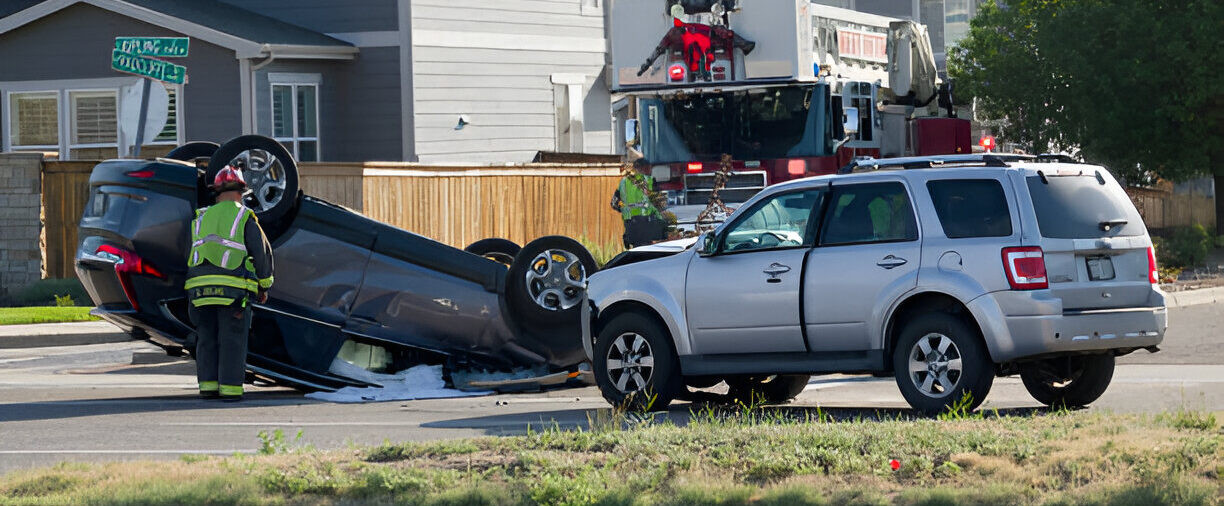
Firefighter inspects upside down vehicle auto accident

The question of how to know if a personal injury lawyer is needed to represent your dispute does not always have a simple answer. There are certain circumstances in which the answer is an absolute yes, but often it is a matter of evaluating multiple factors. 

At The Paul Powell Law Firm, we specialize in personal injury cases, and our goal is to ensure you receive the compensation you deserve. Below, we’ll outline situations where hiring a personal injury lawyer is essential and why having the right legal representation can make all the difference. 

In this article we’ll cover situations where you’ll need a lawyer vs. not need one.

Free Case Evaluation

When to Hire a Personal Injury Lawyer

Accidents happen when we least expect them, and their impact can be life-changing. Whether you’ve been injured in a car accident, a slip and fall, or by a defective product, navigating the legal process on your own can be overwhelming. At Paul Powell Law Firm, we specialize in helping victims of personal injury get the justice and compensation they deserve. From holding negligent parties accountable to fighting for damages like medical bills, lost wages, and pain and suffering, our experienced team is here to guide you every step of the way. 

Car Accidents / Truck Accidents 

If you’ve been injured in a car, truck, or motorcycle accident due to someone else’s negligence, it’s crucial to have a personal injury lawyer on your side. Insurance companies are not always willing to pay what your case is truly worth. A personal injury attorney can help ensure you receive compensation for medical bills, lost wages, pain and suffering, and other damages.

Slip and Fall Accidents 

Slip and fall injuries are often caused by hazardous conditions on someone else’s property, such as wet floors, uneven surfaces, or poor lighting. Property owners have a legal obligation to maintain safe conditions. If they fail to do so and you’re injured, you may have a valid claim for a slip-and-fall case.

Dog Bites 

A dog bite can cause serious physical and emotional harm. In Nevada, dog owners may be held liable for injuries their pet causes. Whether it’s a neighbor’s pet or a stray animal, a personal injury lawyer can help you navigate the legal process and pursue the compensation you need to recover. 

Injuries on Public or Private Property 

Premises liability cases cover injuries sustained on public or private property due to unsafe conditions. This can include accidents in stores, restaurants, parks, or even someone’s home. If the property owner’s negligence caused your injury, you may be entitled to damages. 

Defective Products 

If you’ve been injured by a product that was poorly designed, manufactured, or labeled, you may have a product liability case. These cases often involve claims against manufacturers, retailers, or distributors and require an experienced attorney to handle the complexities involved. 

Legal Situations that Don’t Require a Lawyer 

There are some rare legal situations in which a lawyer is not needed. Below are 5 examples. 

Small Claims Court 

This court is reserved for civil disputes that do not involve large sums of money – less than $10,000. Normally, it tends to be a more informal procedure experience where both sides tell their stories and let the judge decide. 

Traffic Tickets 

These offenses usually require paying a small fine or attending traffic court to remove the violation from your driving record. 

Simple Divorce 

It is possible to handle your own divorce, most often when you and your spouse can reach an agreement on the division of property and debts, custody or support of a child (or do not have any children), and are willing to fully cooperate in preparing and filing the necessary court papers. 

Basic Business Matters 

Online research allows you to figure out basic business matters like registering for an Employer Identification Number (EIN), a trademark or trade name, forming a business entity, creating basic contracts and forms and hiring employees and independent contractors. 

Let The Paul Powell Law Firm Help You 

“He who represents himself has a fool for a client.” – attributed to Abraham Lincoln 

Navigating a personal injury claim on your own can be overwhelming, but you don’t have to go through it alone. The Paul Powell Law Firm has over 25 years of experience fighting for clients in personal injury cases. We focus on helping you recover—physically, emotionally, and financially. 

Call us today at (702)-728-5500 for a free case evaluation or visit us online at paulpowell.com. Remember, Paul Powell never takes more from your case than you earn—and he puts that in writing. 

The Paul Powell Law Firm: More Lawyer. Less Fee. 

Do Bad Roads Cause Accidents?

Do Bad Roads Cause Accidents?

Car accident in large pothole sinkhole

As if it is not terrorizing enough to drive among lost tourists, gawking Lyft and Uber drivers staring at their iPhone GPS, and assortment of pokey-Joes and the wannabe Dale Earnhardt, there lurks a danger even more sinister. The road beneath you.  

Yes, bad roads cause car accidents. Even the best drivers can become a victim to an unkempt road with potholes, standing water, or bumpy surface. But take heart. There are things you can do to prevent it! 

More ways bad roads cause accidents: 

Think about your recent driving experience and see how many of the items below you encountered and can check off your list: 

  • Poorly engineered roadways 
  • Obstructed vision and lines of sight 
  • Poorly synchronized traffic signals 
  • Road debris especially on highspeed interstates 
  • Faded lane striping  
  • Broken and missing road reflectors 
  • Confusing signage 
  • Construction cone zones 
  • Pooling water 
  • Disrepair 
  • Oily or cracked road surfaces 
  • No notice lane shifts and merges 
  • Uneven lanes 
  • Deadly intersections 
  • Saw-toothed roads 
  • Poor lighting 

Saw-toothed roads 

In the Computer Age one still can’t help but marvel at how badly surface roads and high-speed highways are designed. Las Vegas is famous for its saw-toothed roads. Those are the ones where, without warning, lanes suddenly narrow down or even disappear.  

Highway merging 

You’ve got to love some of the thoughtless merges that exist. I hate the one coming in from Summerlin on 95 and exiting off onto southbound Rainbow Boulevard. We are trapped against a high retaining wall while decelerating and coming around a blind curve and dealing with highspeed traffic immediately merging in from our left while looking to merge right onto the boulevard. It’s nuts! I suspect you have a favorite.  

Potholes due to weather 

It seldom rains here. Snow is a rarity. Yet we have potholes pockmarking our streets like a prairie dog habitat in western Kansas. And there’s a serious waiting game going on to see how long it takes to get them fixed. 

Standing water 

Speaking of rain, we all know to slow down and take it easy because there’s a lot of reckless drivers out there. But, come on! Even in a light drizzle we must dodge swimming pools of water collected against curbs. Baloney! Build roads with proper drainage! 

Construction zones cause accidents 

Construction cone zones are inevitable in America’s 2nd fastest growing city. Traffic seems to either inch by or fly by them. There’s no in-between. The bane of it all is that these highway cone zones last longer than an iceberg near Nome, Alaska, while casinos get built in a few months. Makes no sense.

Old roads 

Roadway disrepair drives us all crazy. Here’s a fine example. Think about the rollercoaster on southbound I-95 when heading away from downtown toward Charleston Boulevard. You bounce up and down like a kid on a pogo stick. It has been that way for years.  

Add up all the badly designed merging lanes, short on and off ramps, potholes lurking in the dark waiting to blow your tires out and rearrange your alignment; and it’s possible roadways cause more accidents than drivers! 

What you can do to improve the roads 

We don’t have to sit silently and be victimized by roads, inattentive governmental officials, or decaying infrastructure.  

Below are things we can do:  

Report potholes and roads in disrepair 

  • Each municipality has a road or highway department. Contact them and let them know what is going on. Some take reports about road damage and issues on their websites or via special landing pages or phone lines. Below are some likely places to start: The Nevada Department of Transportation (NDOT) has a toll-free hotline to report road issues 877.NV-Roads (877.687-6237). 

Notify media 

KTNV-TV13 has a department that actively pursues reasonable complaints. KVVU-TV5 has a “Rant” where you may record or write a complaint. Nate Tannenbaum on KLAS TV8 has a “What’s Driving You Crazy” feature where you can register complaint and raise awareness. 

Make others aware 

Contact neighborhood groups like HOAs, NextDoor, PTA, nearby churches and schools. You might consider notifying area businesses. When major groups and businesses become aware of negative impacts on them, they can carry a lot of clout. 

Place negative advertising 

Form a group and raise money to place ads of complaint in media like newspaper, Facebook, and outdoor signage. The squeaky wheel gets the oil. You can make a lot of noise for very little money on Facebook. Traditional, high reach media like radio, outdoor, and television tend to be expensive, but highly effective. 

Write, email, or text blast 

Reach appropriate governmental officials and civic leaders via letter, text, or email and tell them about your dissatisfaction. Political animals and even stodgy bureaucrats respond to pressure. And when you hit them, ding every rung on the ladder. Meaning, if I’m contacting the guy or gal in the road department, I also copy or contact my city council member or county commissioner, and the mayor. The more we throw at the wall, the more likely our message will stick. And remember to follow up with these people. Too often, they listen politely to our first request and then forget about it. There is no such thing as “one and done.” If it’s important to you, make it important to them by touching them more than once. Be polite, of course. The difference between being concerned or being a pest lies in being polite. 

Have a good personal injury lawyer 

When you suspect an accident was caused by the demons of road construction, existing road conditions, or the absence of reasonable precautions in maintenance or repair, contact an attorney. Don’t underestimate the harm roads cause and the factors they contribute to causing accidents or amplifying damage and injuries. 

The Paul Powell Law Firm cares about what happened to you, and most importantly they are prepared to see to it that what happens to you next is more controlled and in your best interests. For decades they have represented and protected thousands of clients like you. Reach out and contact the lawyer who never takes more than you get from your case, and he puts it in writing. 

Paul Powell. More Lawyer. Less Fee. 

Top 5 Personal Injury Lawsuit Myths

Top 5 Personal Injury Lawsuit Myths

Two people comforting each other after getting into an accident.

You’ve probably heard stories about personal injury lawsuits that sound outlandish—like the case of kids trespassing on a famous skateboarder’s property and injuring themselves on his professional ramp, or someone filing a lawsuit after slipping and falling in a public restroom. While these cases often make headlines, they’re not representative of most personal injury lawsuits. 

In reality, there are many myths about personal injury cases that can prevent people from understanding their rights and options. Let’s take a closer look at five of the most common misconceptions. 

Myth #1: Only greedy people file personal injury lawsuits. 

Seeking compensation for an injury isn’t about greed—it’s about restoring what was lost. Personal injury lawsuits provide a way for victims to recover physically, emotionally, and financially after an accident disrupts their lives. 

Unfortunately, some high-profile cases and a few bad actors have created a stigma around personal injury claims. However, if you’ve been harmed due to someone else’s negligence, you shouldn’t hesitate to protect yourself and your family. Remember: seeking justice is about recovery, not getting rich quick. 

Myth #2: Minor injuries aren’t worth making a claim over. 

What seems like a minor injury today can worsen over time. For example, whiplash or back pain might not appear immediately but could develop into chronic conditions that affect your daily life. 

Without legal guidance, you might dismiss an injury that ends up having long-term consequences. By consulting a qualified personal injury attorney, you’ll get a clear understanding of your case and protect yourself from unexpected complications down the road. There’s no harm in learning your options—it’s better to be safe than sorry. 

Myth #3: Insurance will take care of everything, so you don’t need a lawyer. 

While insurance is meant to provide protection, insurance companies are businesses first. Their priority is their bottom line, which means their initial offers often fall short of what you deserve. 

A skilled attorney understands how insurance companies operate and can negotiate to ensure you receive fair compensation. Whether your claim involves medical expenses, lost wages, or property damage, having a lawyer on your side ensures your interests are represented throughout the process. 

Myth #4: There’s plenty of time to file a lawsuit. 

Delaying action after an accident can hurt your case. Evidence can be lost, memories fade, and witnesses become harder to track down. Acting quickly helps preserve crucial details and strengthens your position. 

In Nevada, you generally have two years from the date of an accident to file a personal injury claim. However, waiting too long could jeopardize your case. Consult a lawyer as soon as possible to ensure your rights are protected and your case is handled efficiently. 

Myth #5: Suing someone will ruin their life. 

The goal of a personal injury lawsuit isn’t to punish—it’s to recover. When someone sues, it’s typically to restore what was lost, not to harm the other party. 

Additionally, many lawsuits involve insurance policies, meaning compensation comes from the insurer, not directly from the individual. This can provide peace of mind if the person responsible for your injury is a friend, family member, or acquaintance. Lawsuits are about fairness and recovery, not revenge. 

When You’ve Been Injured, We’re Here to Help 

At The Paul Powell Law Firm, we know pursuing legal action isn’t about greed—it’s about getting the help you need to recover. 

Whether your injuries are minor or severe, we’re here to evaluate your case, provide clear guidance, and fight for the compensation you deserve. With over 25 years of experience, Paul Powell knows how to navigate the complexities of insurance companies to secure the best possible outcome for you. 

Don’t wait. Contact us today for a free case evaluation at 702-728-5500 or visit paulpowell.com. Paul Powell promises More Lawyer. Less Fee. 

Aggressive Driving Accidents and the Role of a Personal Injury Lawyer

Aggressive Driving Accidents and the Role of a Personal Injury Lawyer

Car collision

Aggressive driving is a dangerous behavior that leads to countless accidents and injuries every year. Whether it’s speeding, tailgating, or cutting off other drivers, these reckless actions endanger everyone on the road. Understanding the difference between aggressive driving and road rage, as well as the impact of these behaviors, is essential for protecting your rights if you’ve been involved in an accident caused by an aggressive driver. 

Vehicle rollover caused by aggressive driving on a highway, with police vehicles at the scene responding to the road rage incident

The Difference Between Aggressive Driving and Road Rage 

Although the terms are often used interchangeably, aggressive driving and road rage are not the same: 

  • Aggressive Driving: This includes deliberate unsafe behaviors such as speeding, weaving between lanes, tailgating, running red lights, or failing to yield. Aggressive driving is a traffic offense, and it significantly increases the likelihood of causing an accident. 
  • Road Rage: This takes aggressive driving to an extreme. Road rage involves criminal behavior, such as using a vehicle as a weapon, physical altercations, or threatening other drivers. Unlike aggressive driving, road rage often includes intent to harm. 

Both aggressive driving and road rage can have catastrophic consequences, but aggressive driving is far more common and accounts for a significant portion of accidents nationwide. 

Angry driver shouting at a pedestrian blocking the road, illustrating road rage and aggressive driving behaviors

How Many Accidents Nationwide Are Caused by Aggressive Driving? 

The statistics surrounding aggressive driving are alarming. According to the National Highway Traffic Safety Administration (NHTSA), aggressive driving is a factor in approximately 56% of fatal car accidents. Speeding alone, which is the most common form of aggressive driving, contributes to nearly one-third of all traffic fatalities each year. 

Other aggressive driving behaviors, such as tailgating and improper lane changes, also lead to thousands of accidents annually. These numbers highlight the severity of the issue and the importance of addressing aggressive driving on America’s roads. 

The Role of a Personal Injury Lawyer in Aggressive Driving Cases 

If you’ve been injured in an accident caused by aggressive driving, a personal injury lawyer can be an invaluable advocate. Here’s how they can help: 

  • Proving Negligence: Aggressive driving is a clear form of negligence. A skilled attorney can gather evidence, such as traffic camera footage, eyewitness testimony, and police reports, to prove the other driver’s reckless behavior caused the accident. 
  • Negotiating with Insurance Companies: Insurance adjusters often try to downplay the severity of an accident to minimize payouts. An experienced lawyer can handle negotiations, ensuring you receive fair compensation for your injuries and losses. 
  • Calculating Damages: Beyond immediate medical bills, you may be entitled to compensation for lost wages, pain and suffering, and long-term medical care. A personal injury lawyer will evaluate your case and the full scope of your damages to ensure you’re adequately compensated. 
  • Representing You in Court: If a fair settlement cannot be reached, your attorney will take your case to trial, fighting to hold the at-fault driver accountable for their actions. 

How to Protect Yourself from Aggressive Drivers 

Aggressive drivers create dangerous situations, but there are steps you can take to stay safe: 

  • Stay Calm and Avoid Engagement: Do not escalate the situation by reacting with aggressive behavior in return. 
  • Keep a Safe Distance: If someone is tailgating or driving erratically, slow down and allow them to pass when it’s safe. 
  • Do Not Make Eye Contact: Engaging with aggressive drivers can escalate the situation. 
  • Report Dangerous Driving: If you witness or adre affected by aggressive driving, report the incident to local law enforcement with details like the vehicle description, location, and behavior. 
  • Plan Your Route to Avoid High-Stress Driving Conditions: Leaving early and staying aware of traffic patterns can help reduce stress and prevent aggressive driving situations. 

FAQ’s regarding aggressive driving accidents: 

How can aggressive driving cause accidents? 

  • Aggressive driving can lead to accidents by impairing a driver’s judgment and reaction times. Sudden maneuvers, speeding, or ignoring traffic laws can result in collisions, injuries, and fatalities. 

What are the common types of accidents caused by aggressive driving? 

  • Common accidents caused by aggressive driving include rear-end collisions, side-impact crashes, rollovers, and multi-vehicle accidents. 

Can aggressive driving be prosecuted? 

  • Yes, in many states, aggressive driving is considered a traffic violation or even a criminal offense, depending on the severity of the actions (e.g., reckless driving, road rage). 

What are the penalties for aggressive driving? 

  • Penalties may include fines, license suspension, points on your driving record, and even jail time if the aggressive behavior leads to injury or death. 

Holding Aggressive Drivers Accountable: Your Path to Compensation 

Aggressive driving is a serious issue that endangers countless lives every day. If you or a loved one has been injured due to an aggressive driver, you have the right to seek justice and hold them accountable. 

At The Paul Powell Law Firm, we’ve helped countless clients navigate the complexities of personal injury cases, securing the compensation they need to move forward. Contact us today for a free consultation and let us help you fight for the justice and compensation you deserve.